
Open-source project management that unlocks customer value


Website • Releases • Twitter • Documentation


Meet Plane, an open-source project management tool to track issues, run sprints cycles, and manage product roadmaps without the chaos of managing the tool itself. 🧘♀️
Plane is evolving every day. Your suggestions, ideas, and reported bugs help us immensely. Do not hesitate to join in the conversation on Discord or raise a GitHub issue. We read everything and respond to most.
Getting started with Plane is simple. Choose the setup that works best for you:
-
Plane Cloud
Sign up for a free account on Plane Cloud—it's the fastest way to get up and running without worrying about infrastructure. -
Self-host Plane
Prefer full control over your data and infrastructure? Install and run Plane on your own servers. Follow our detailed deployment guides to get started.
| Installation methods | Docs link |
|---|---|
| Docker |  |
| Kubernetes |  |
Instance admins can configure instance settings with God mode.
-
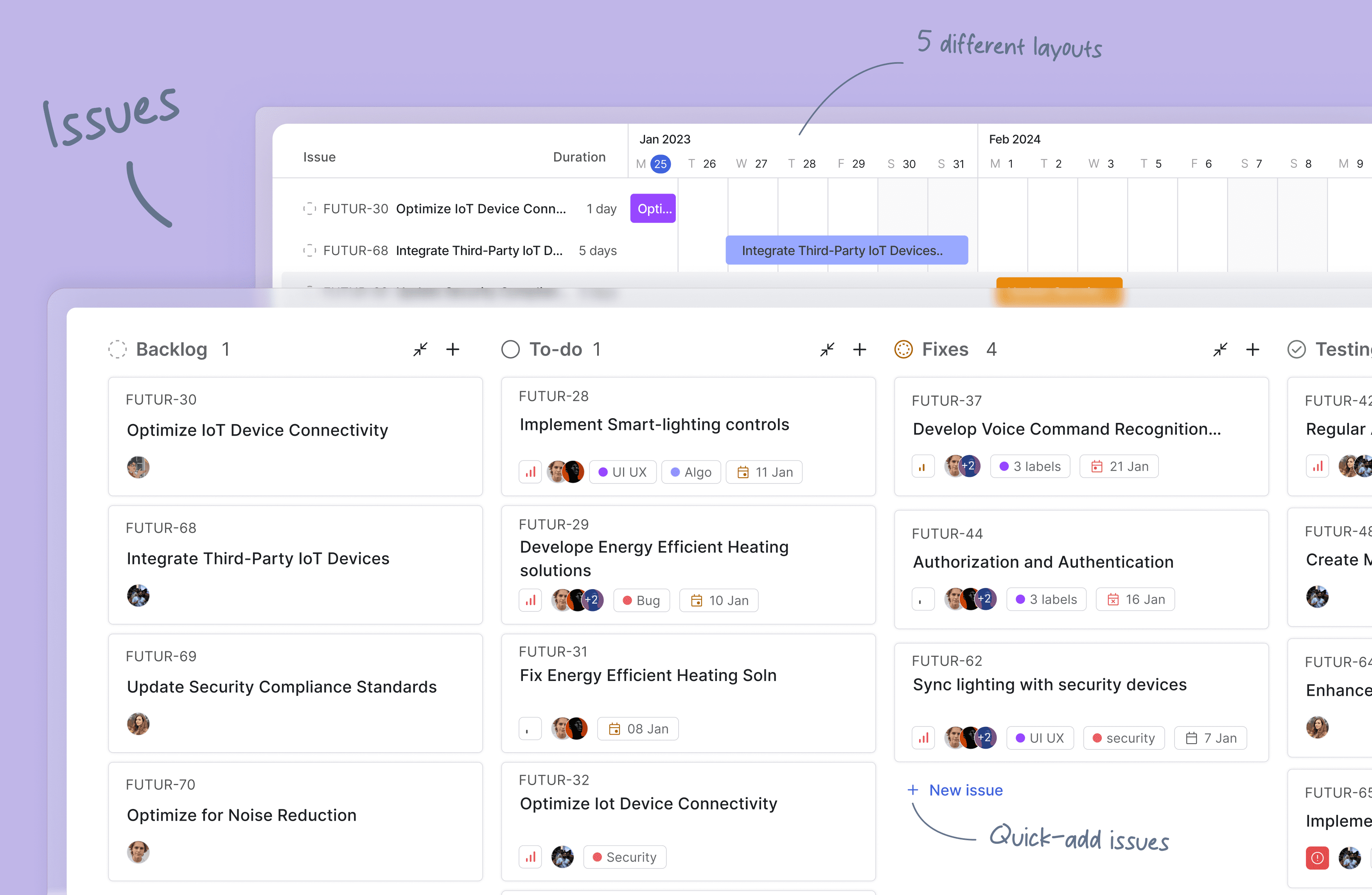
Issues
Efficiently create and manage tasks with a robust rich text editor that supports file uploads. Enhance organization and tracking by adding sub-properties and referencing related issues. -
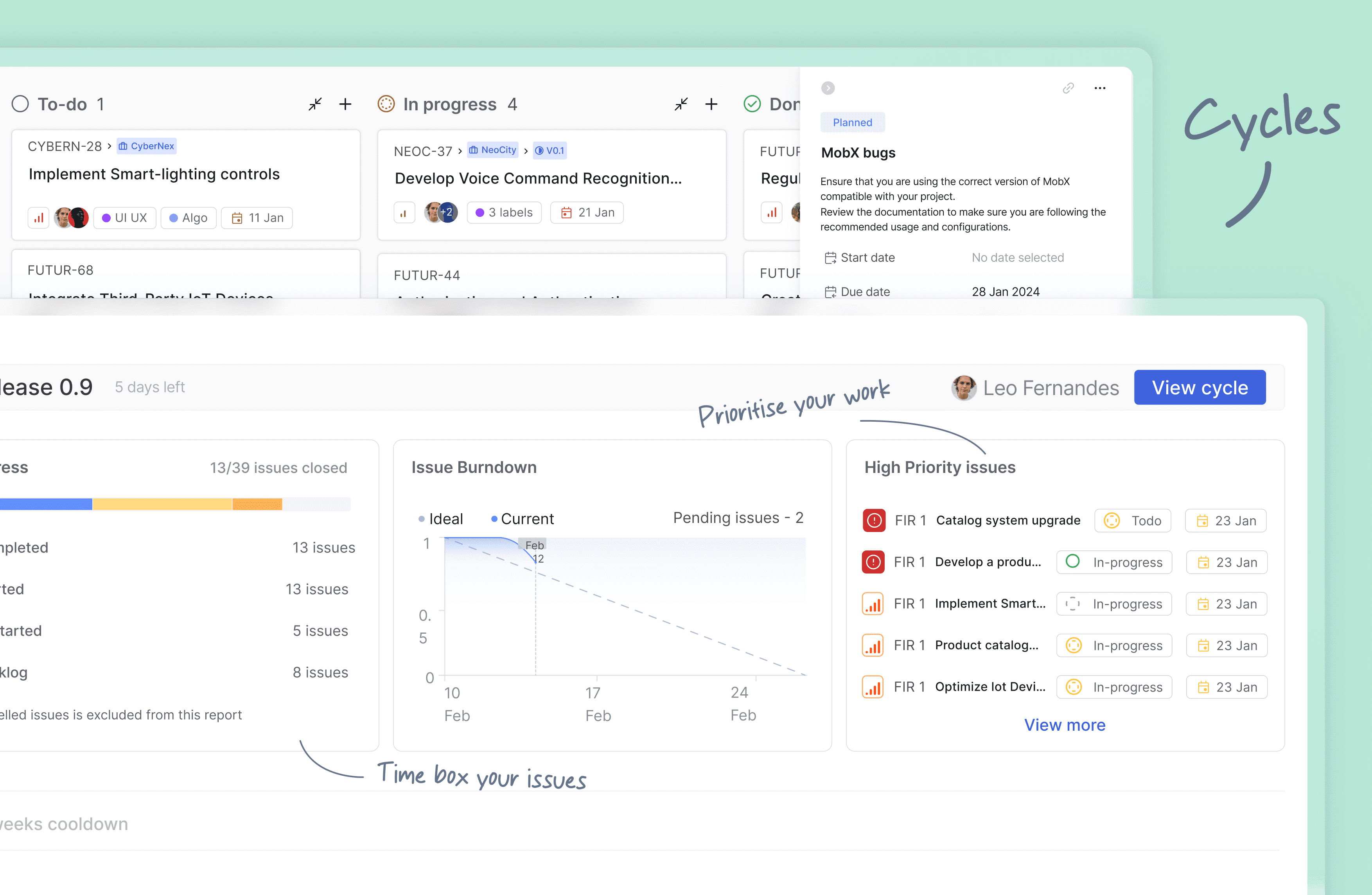
Cycles
Maintain your team’s momentum with Cycles. Track progress effortlessly using burn-down charts and other insightful tools. -
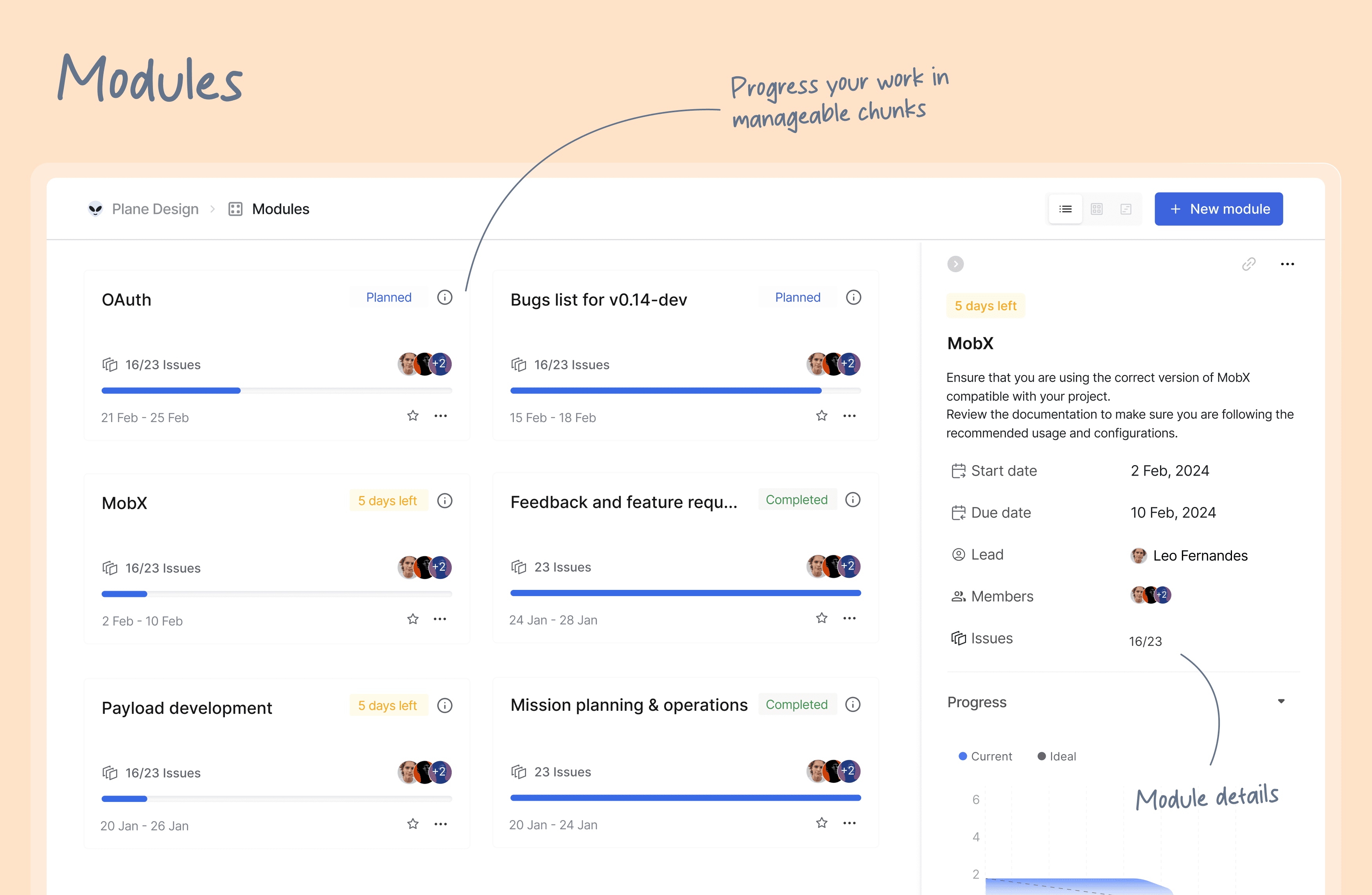
Modules
Simplify complex projects by dividing them into smaller, manageable modules. -
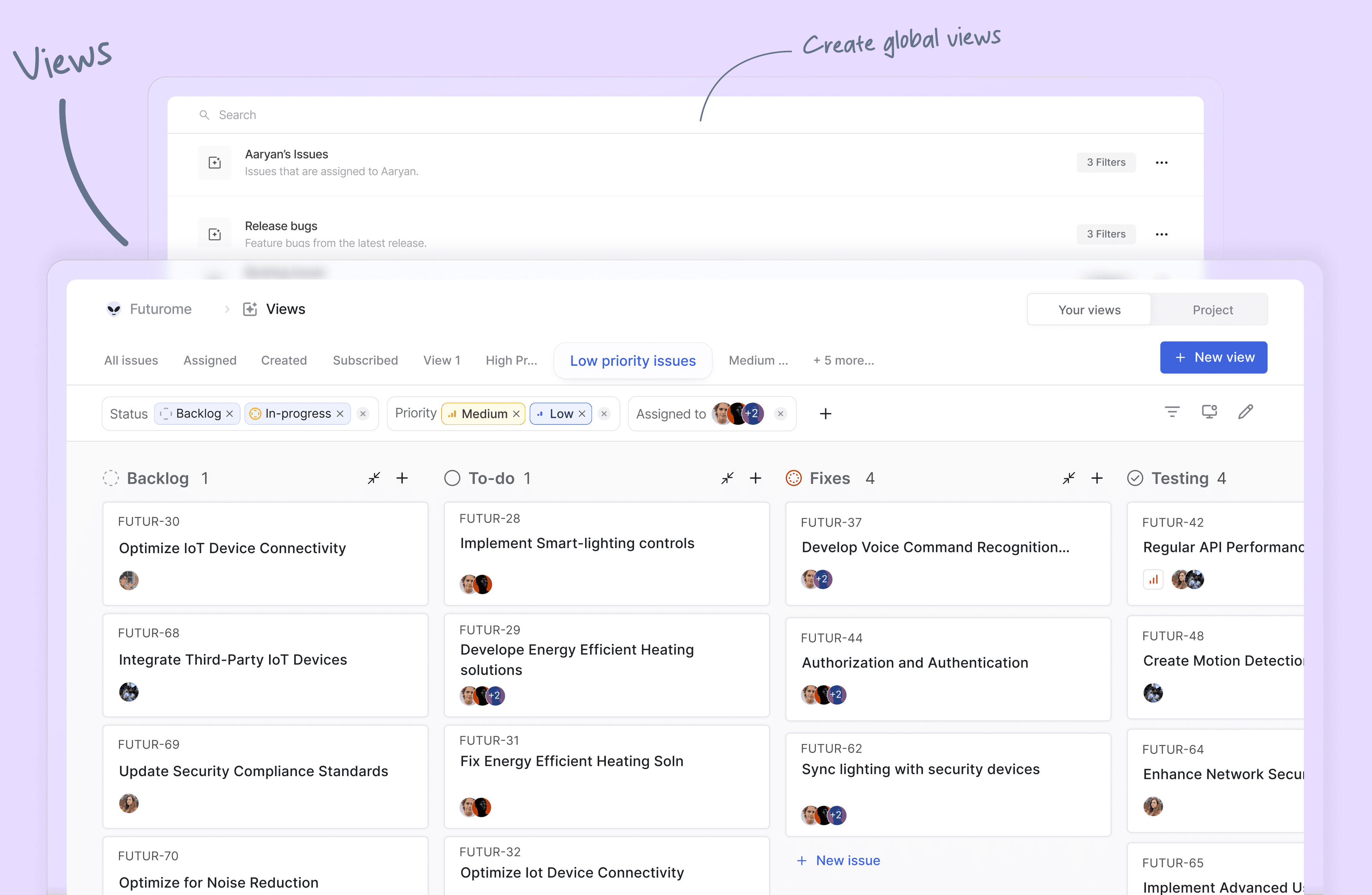
Views
Customize your workflow by creating filters to display only the most relevant issues. Save and share these views with ease. -
Pages
Capture and organize ideas using Plane Pages, complete with AI capabilities and a rich text editor. Format text, insert images, add hyperlinks, or convert your notes into actionable items. -
Analytics
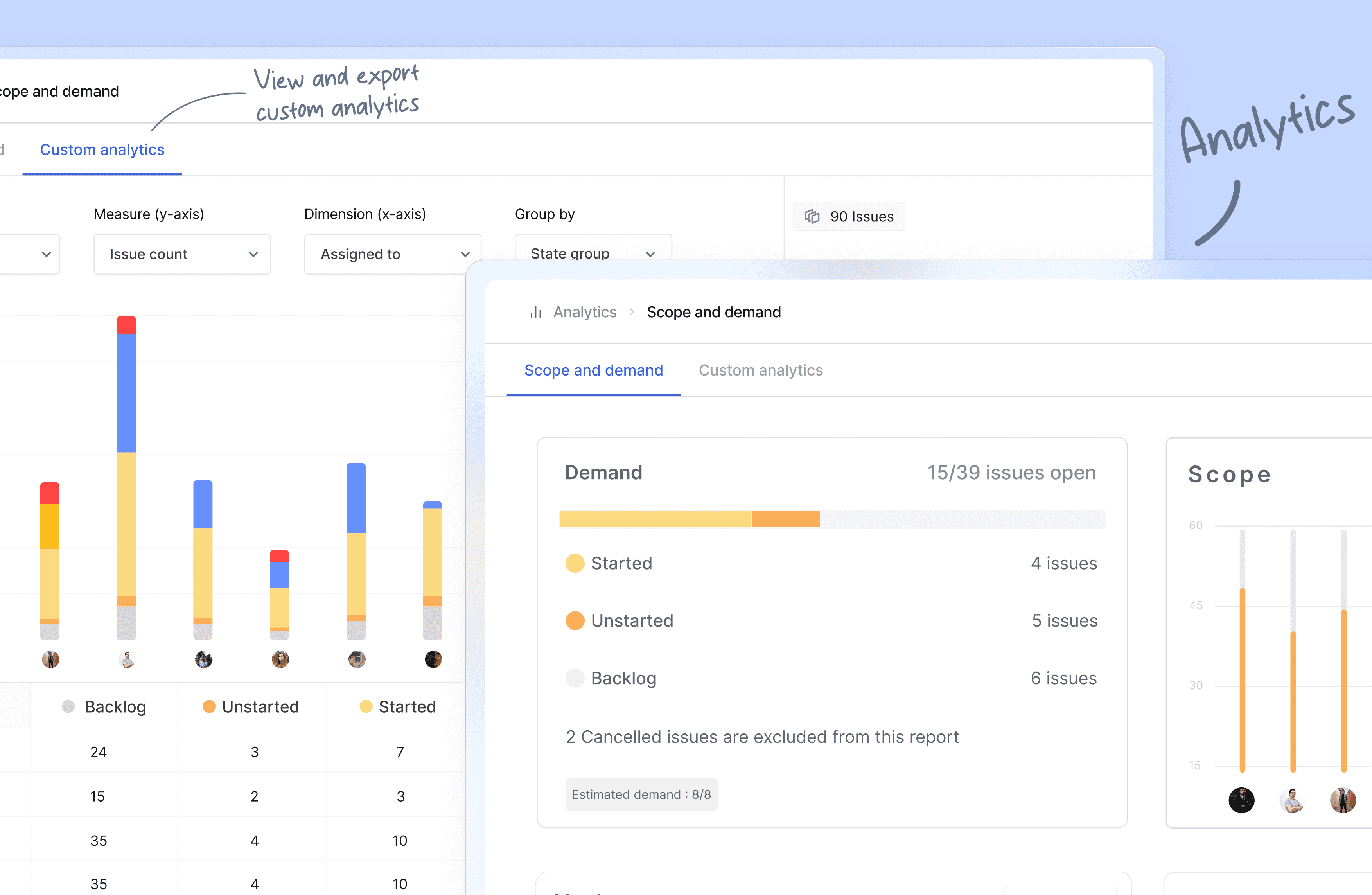
Access real-time insights across all your Plane data. Visualize trends, remove blockers, and keep your projects moving forward. -
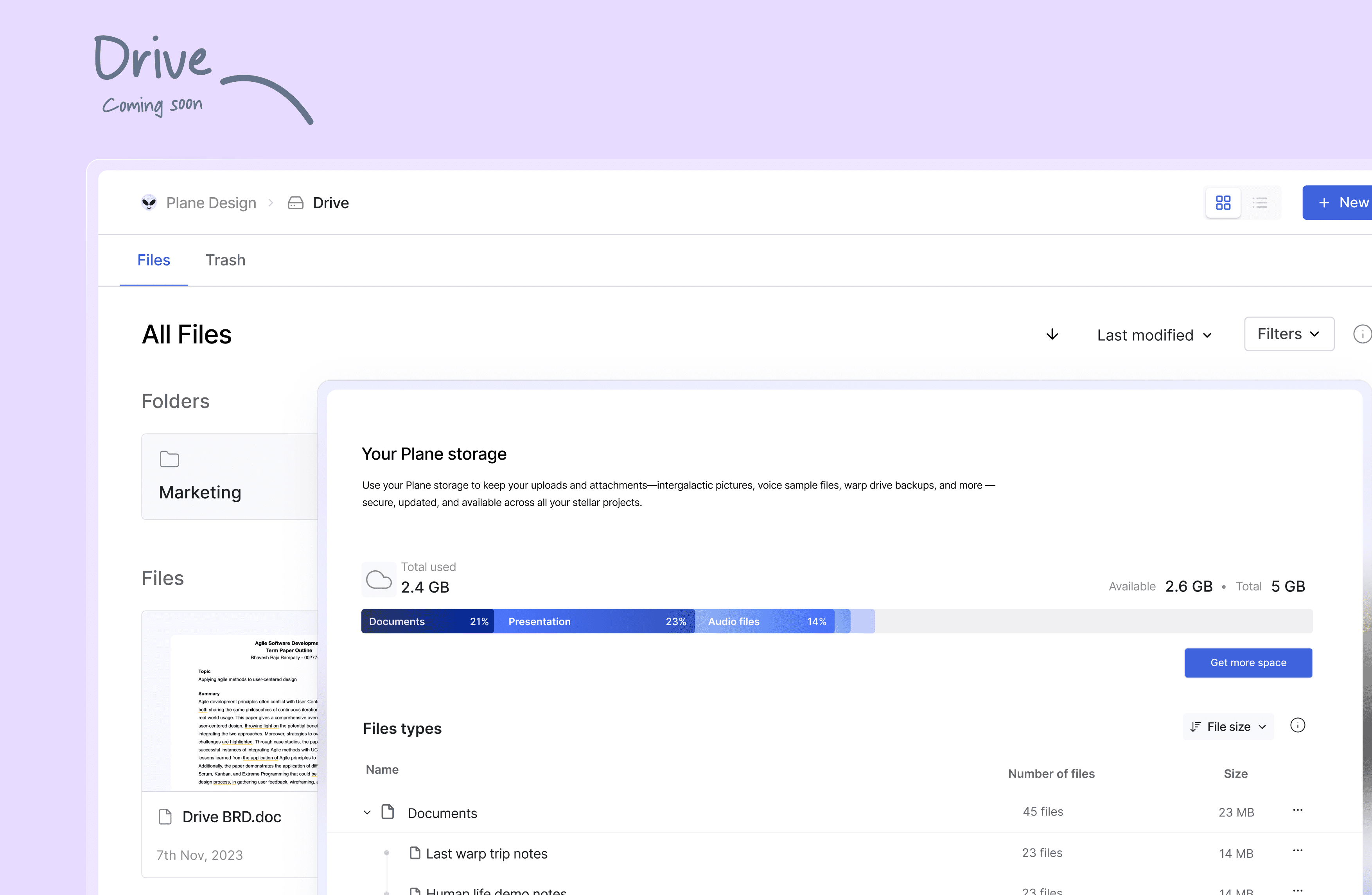
Drive (coming soon): The drive helps you share documents, images, videos, or any other files that make sense to you or your team and align on the problem/solution.
Here’s the modified content with separate sections for macOS and Windows to keep the instructions distinct and clear:
Setting up your local environment for Plane is simple and straightforward. Follow the steps below based on your operating system.
Clone the Plane repository to your local machine:
git clone https://github.com/makeplane/plane.git
cd plane
Create a branch for your feature or fix:
git checkout -b <feature-branch-name>Run the provided setup script in your terminal:
./setup.sh localhostLaunch the Plane services using Docker Compose:
docker-compose upNote: Ensure Docker is installed (e.g., via brew install docker with Homebrew) and running. The -d flag runs containers in detached mode.
Open the project in your IDE (e.g., VS Code) and start coding. Refresh your browser if changes don’t auto-reload.
Run the setup script in your terminal (Git Bash or WSL recommended):
./setup.sh localhostNote: If the script doesn’t work directly, use Git Bash or WSL to execute it.
-
Convert all
.env.examplefiles to.envin the following folders:apiserver,live,web,space,admin, and the rootplanefolder. You can do this manually or use PowerShell. -
Generate a secret key and add it to
apiserver/.env:- In Git Bash:
echo -e "\nSECRET_KEY=\"$(tr -dc 'a-z0-9' < /dev/urandom | head -c50)\"" >> ./apiserver/.env
- Or in PowerShell:
$randomKey = -join ((97..122) + (48..57) | Get-Random -Count 50 | % {[char]$_})
Add-Content -Path ./apiserver/.env -Value "SECRET_KEY=`"$randomKey`""
- Ensure the
SECRET_KEY=""variable exists inapiserver/.envwith the generated value.
- In Git Bash:
Launch the Plane services using Docker Compose:
docker compose -f docker-compose-local.yml up -dNote: Ensure Docker Desktop is installed and running. The -d flag runs containers in detached mode.
Open the project in your IDE (e.g., VS Code) and start coding. Refresh your browser if changes don’t auto-reload.
If you prefer using the pre-built Docker image from DockerHub, run:
docker run -e NEXT_PUBLIC_API_BASE_URL="http://localhost"This starts the Plane server on port 80.
- macOS: Commands are optimized for a Unix-like environment. Install Docker if not already present.
- Windows: Use Git Bash or WSL for Unix-style commands, or adapt with PowerShell as shown.
You’re all set to begin coding. Happy development!
This keeps macOS and Windows instructions separate for clarity while maintaining a consistent structure. Let me know if you need further adjustments!



Explore Plane's product documentation and developer documentation to learn about features, setup, and usage.
Join the Plane community on GitHub Discussions and our Discord server. We follow a Code of conduct in all our community channels.
Feel free to ask questions, report bugs, participate in discussions, share ideas, request features, or showcase your projects. We’d love to hear from you!
If you discover a security vulnerability in Plane, please report it responsibly instead of opening a public issue. We take all legitimate reports seriously and will investigate them promptly. See Security policy for more info.
To disclose any security issues, please email us at security@plane.so.
There are many ways you can contribute to Plane:
- Report bugs or submit feature requests.
- Review the documentation and submit pull requests to improve it—whether it's fixing typos or adding new content.
- Talk or write about Plane or any other ecosystem integration and let us know!
- Show your support by upvoting popular feature requests.
Please read CONTRIBUTING.md for details on the process for submitting pull requests to us.
This project is licensed under the GNU Affero General Public License v3.0.