You signed in with another tab or window. Reload to refresh your session.You signed out in another tab or window. Reload to refresh your session.You switched accounts on another tab or window. Reload to refresh your session.Dismiss alert
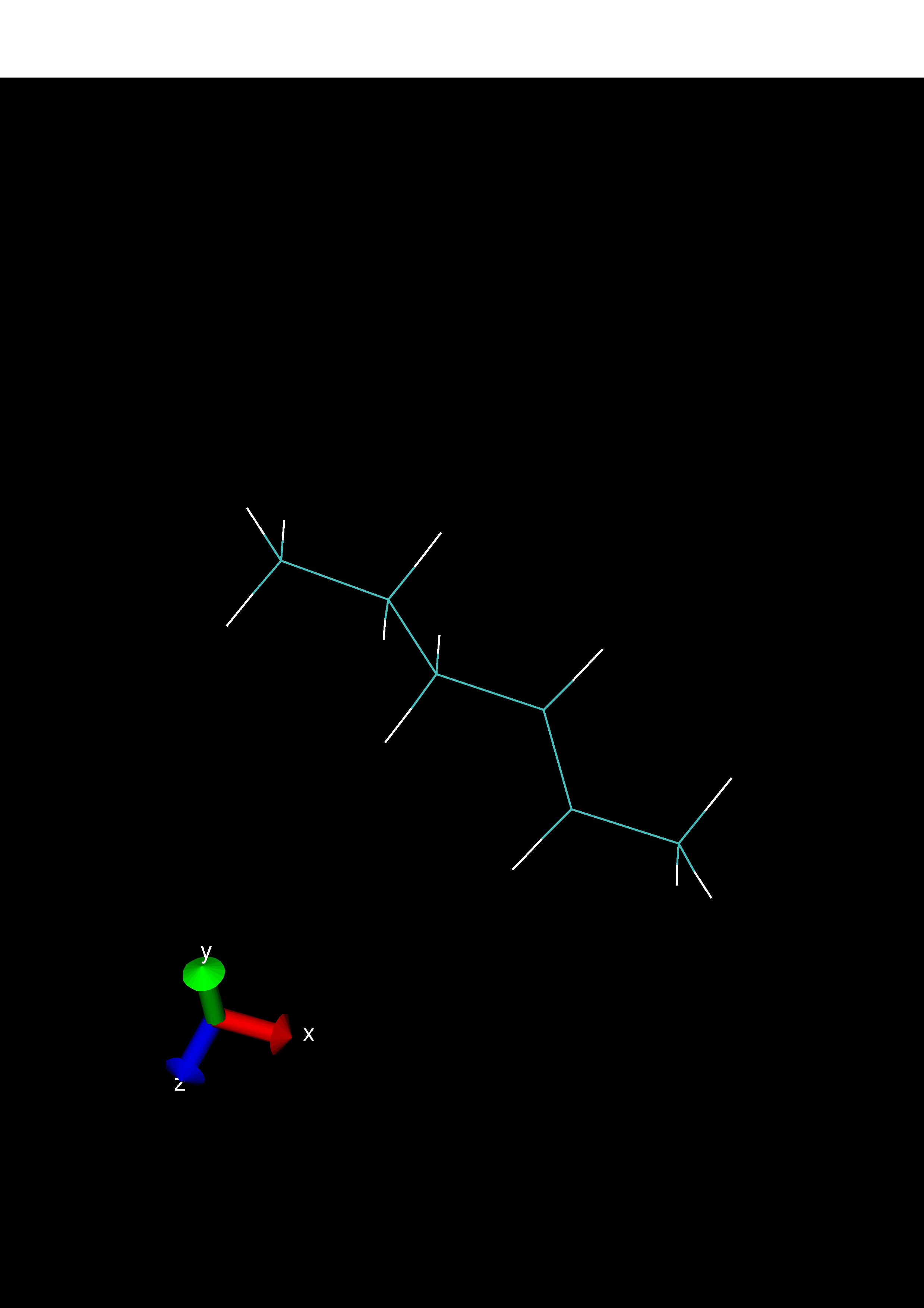
I was working with qm7 dataset and attempted predicting structure of '0315.xyz' with a model that included '0315.xyz' in the training set only to get linearly placed heavy atoms. The issue disappeared when I excluded '0869.xyz', '1040.xyz', and '0784.xyz' from the training set. (See check_geom_performance.py for the particular procedure for predicting geometry and check_rep_uniqueness.py for how those three particular xyz files were located.) The issue seems to be that '0315.xyz' is an alkene:
The "excluded" xyz files have at least one heteroatom in the heavy atoms chain, resulting in what looks like different degrees of folding due to electrostatic interactions between that heteroatom and hydrogens:
I was working with qm7 dataset and attempted predicting structure of '0315.xyz' with a model that included '0315.xyz' in the training set only to get linearly placed heavy atoms. The issue disappeared when I excluded '0869.xyz', '1040.xyz', and '0784.xyz' from the training set. (See check_geom_performance.py for the particular procedure for predicting geometry and check_rep_uniqueness.py for how those three particular xyz files were located.) The issue seems to be that '0315.xyz' is an alkene:
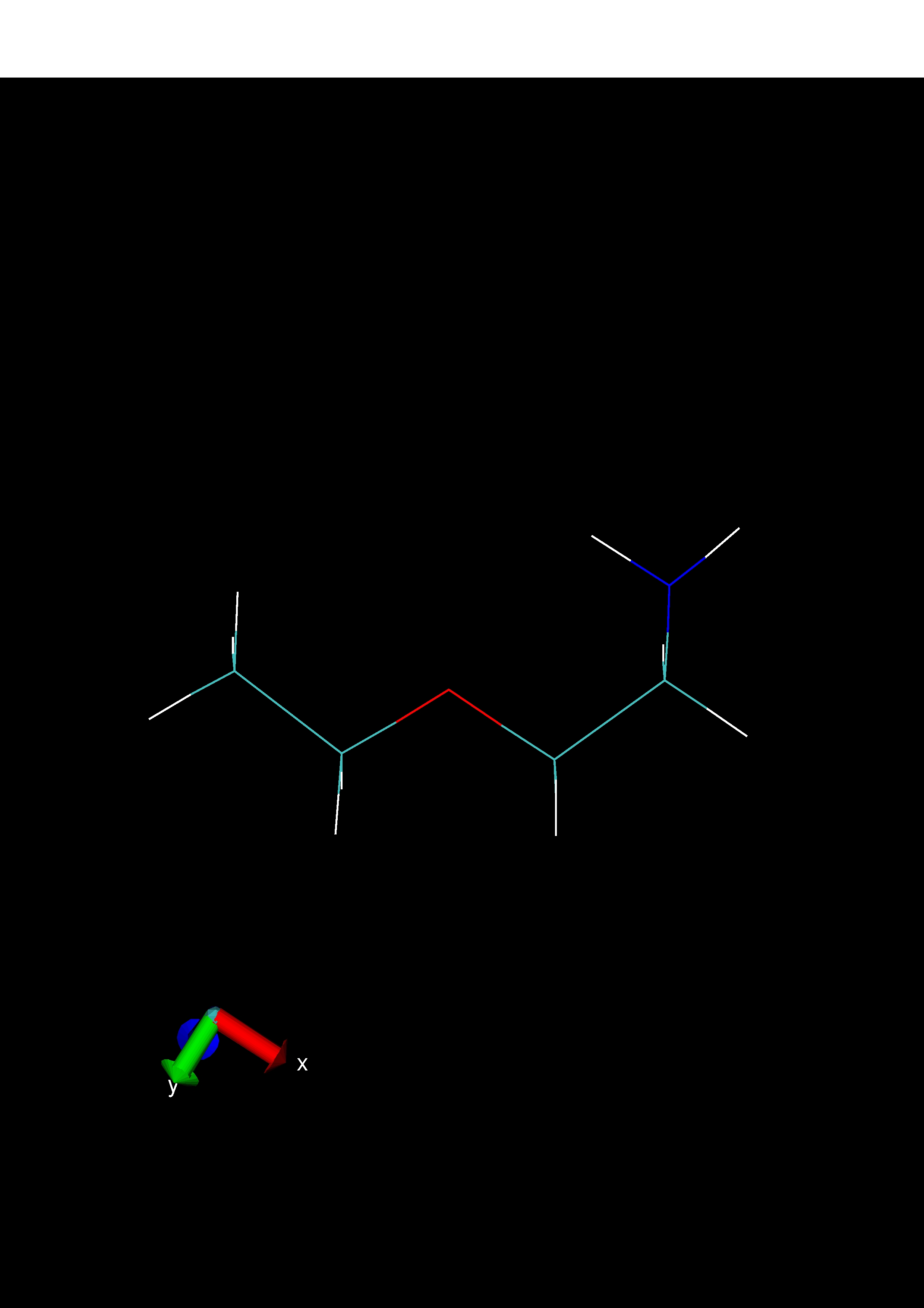
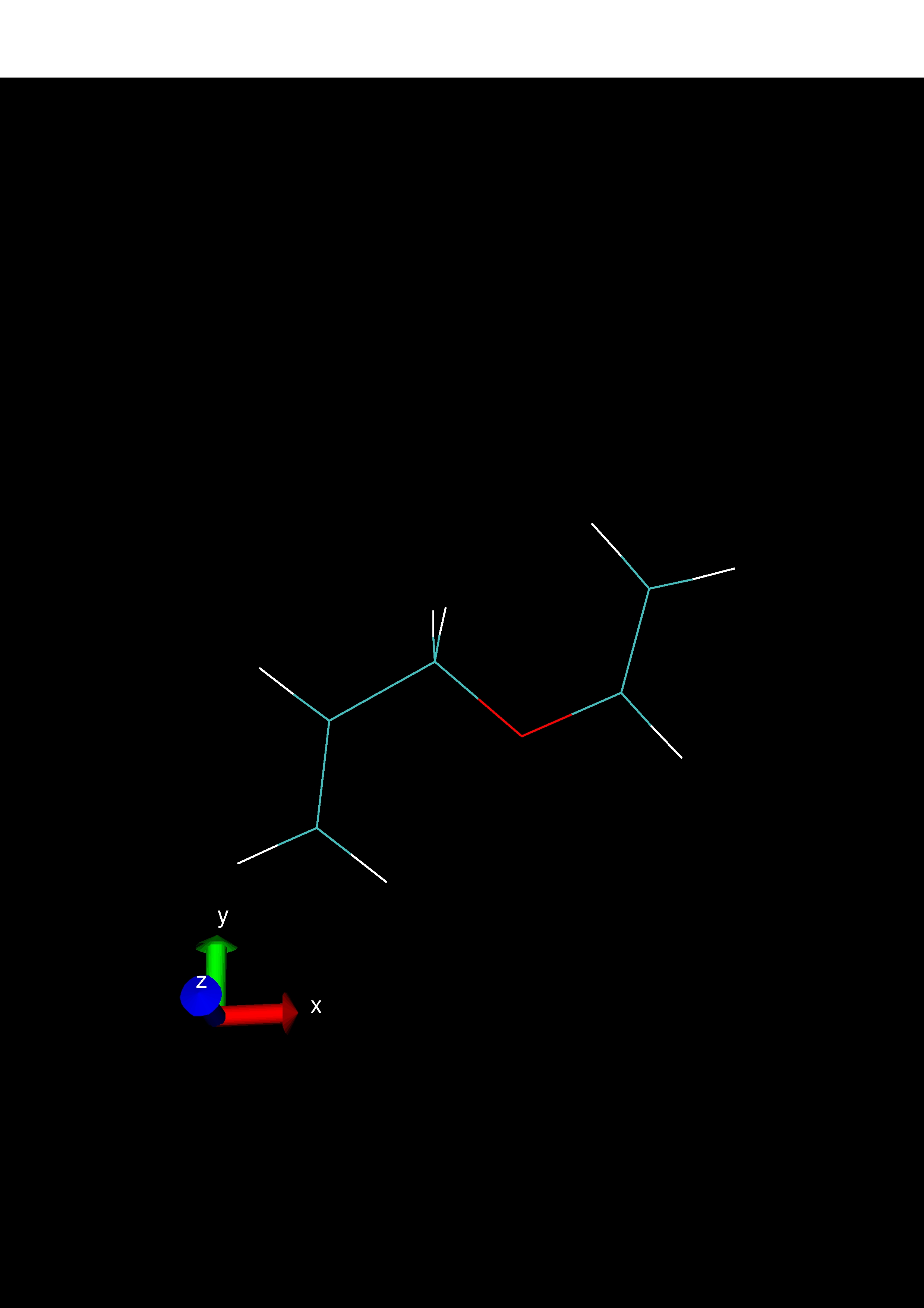
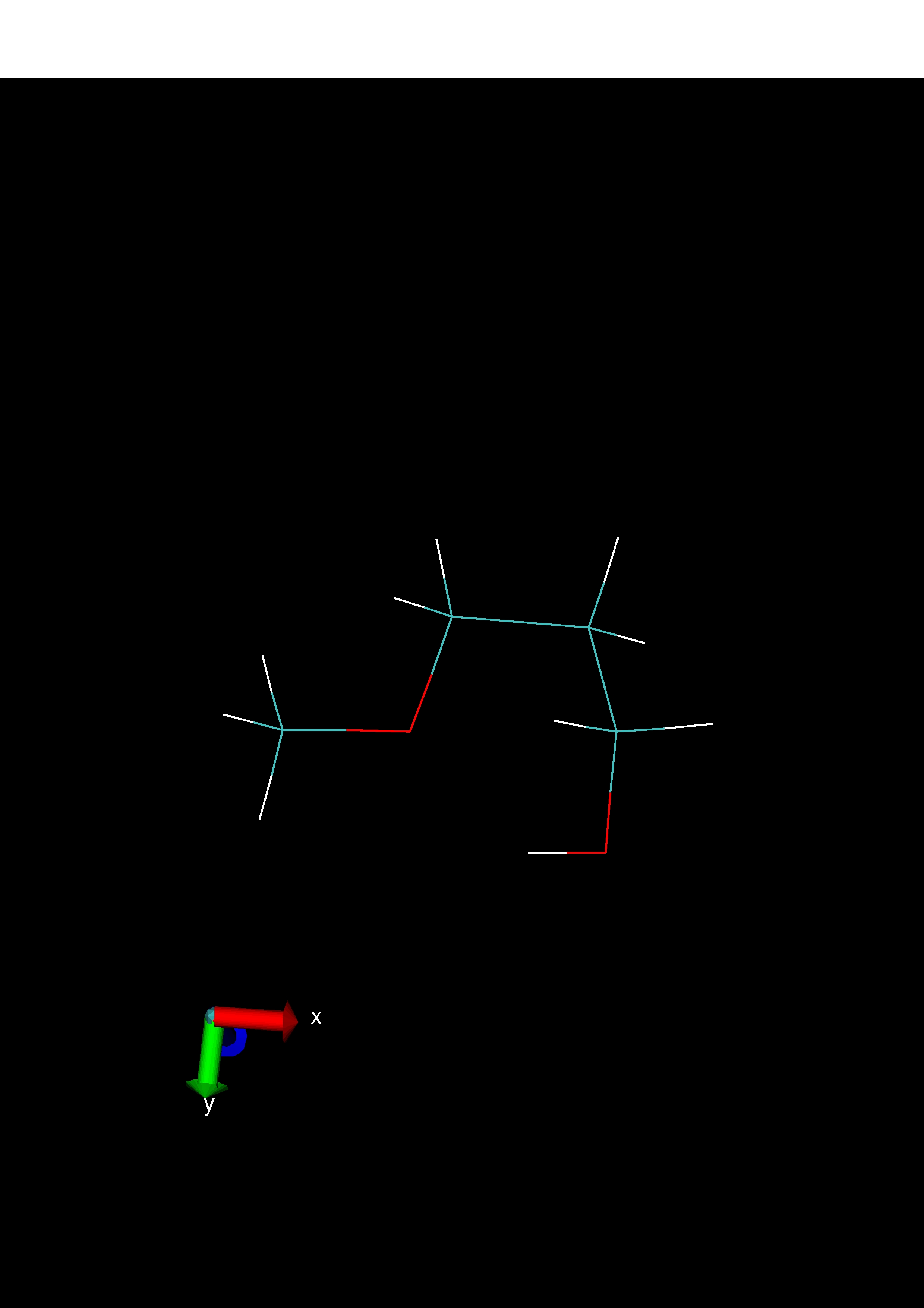
The "excluded" xyz files have at least one heteroatom in the heavy atoms chain, resulting in what looks like different degrees of folding due to electrostatic interactions between that heteroatom and hydrogens:
rep_uniqueness.zip